
Pay-and-Stay vs. Settlement vs. Hybrid Approval
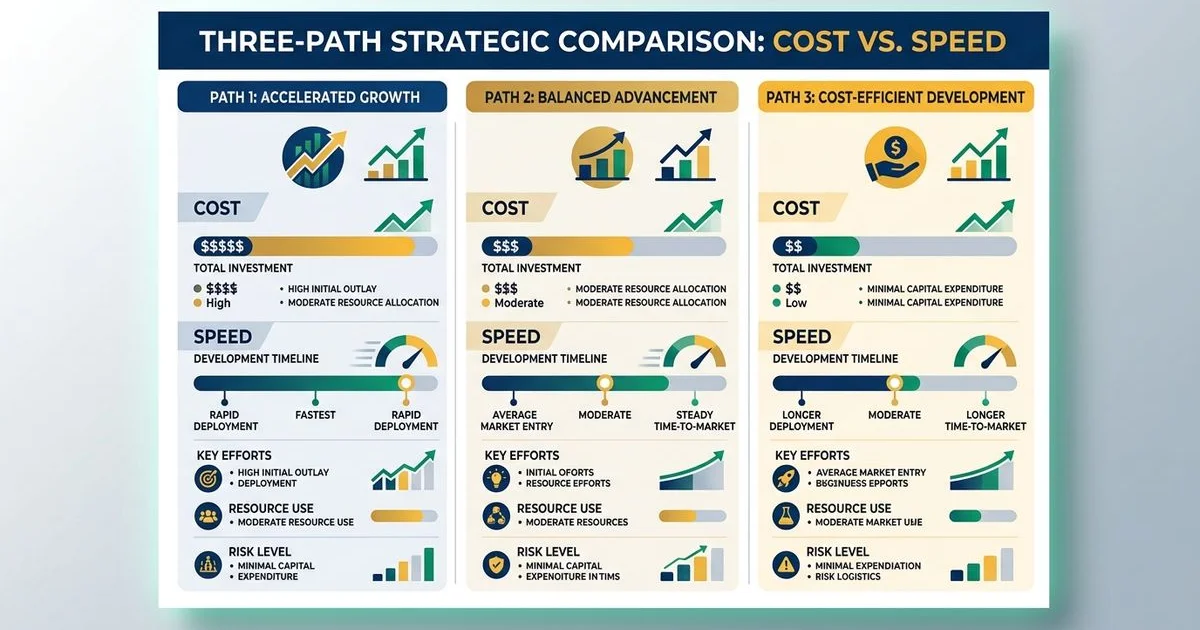
Three paths to approval with rental debt: pay the balance, negotiate a settlement letter, or find a hybrid-approval property. Compare costs.

We understand that clearing a past rental balance often feels impossible.
Most property managers view an open debt as an automatic dealbreaker. Our team at Dallas Second Chance Apartments helps renters across the metroplex find homes fast.
Perfect credit renters routinely use this locating service to save time and secure cash rebates or free moving services. We also specialize in helping clients map out the best route back into a lease when past debts complicate the process.
The choice between a rental debt settlement vs hybrid approval apartments comes down to your current cash and income. Our guide outlines three viable paths to regain your renting power in the US market. Knowing which path fits your situation saves you significant money.
Path 1: Pay the balance
Paying your past-due rent in full is the fastest way to clear your tenant-screening file. We see this approach work best for renters who need to move immediately.
How it works: You pay the previous landlord or the collection agency holding the debt the full amount owed. Our clients often deal directly with national agencies like ProCollect or Genesis. The balance is marked paid on your tenant-screening file with Experian RentBureau or Equifax. Your application then moves forward without the open-balance flag.
Pros: This remains the cleanest option available. We know it opens up the largest pool of DFW communities. Even stricter properties that decline open balances will often accept a paid-in-full receipt.
Cons: Full payoff requires the most upfront cash. Our locators notice some renters cannot reasonably absorb the full balance. This is especially true when other relocation costs are looming.
Best for: Renters with a relatively small balance who want maximum community choice.
Path 2: Negotiate a settlement letter
Negotiating a partial payment is the practical middle ground for clearing an old balance. We frequently recommend this strategy to clients with older debt.
How it works: You negotiate a partial payment with the previous landlord or the collection agency. Our data from 2026 shows that most collection agencies will accept 30% to 50% of the original balance. They issue a written settlement letter apartment communities accept as proof the matter is resolved. You provide this document directly to your next property manager.
Pros: This path is significantly cheaper than a full payoff. We find it resolves the file enough for most flexible communities. A documented settlement reads as a good-faith effort to the next leasing office.
Cons: Your tenant-screening file usually still shows the original open balance. Our experience shows you must use the settlement letter as supporting context. Some strict communities still decline applicants with any history of collections.
Best for: Most renters with rental debt looking for a practical compromise.
Path 3: Hybrid-approval property on income alone
Applying at a community that weighs your current income heavily bypasses the debt issue entirely. We rely on these properties when a client cannot afford a payoff.
How it works: You apply at a community running hybrid-approval criteria. Our local partners often require a strong current gross monthly income of 3.5x to 4x the rent. Modern leasing offices verify this income strictly using software like Plaid or Snappt. The community may approve your application despite the open balance.
Pros: This is the fastest route into a new home. We like that no payoff or negotiation is required upfront. The full eviction-and-broken-lease playbook lives in the Eviction & Broken Lease Apartment Locating hub.
Cons: This approach limits you to a narrower pool of accepting communities. Our clients sometimes face conditional-approval terms like a risk fee or a higher deposit. These extra fees protect the property manager from potential default.
Best for: Renters with strong current income and a moderate-to-large balance they cannot reasonably pay off.
When pay-and-stay applies
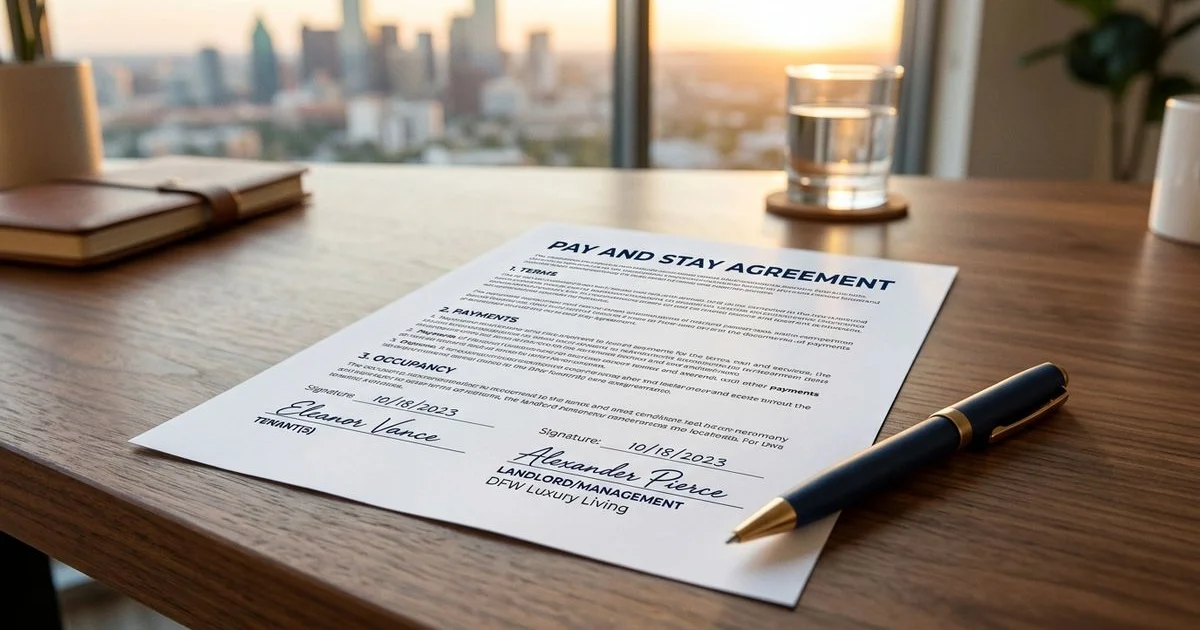
A formal payment plan keeps you in your current unit while clearing past-due rent. We see confusion around the term pay and stay agreement all the time. This term specifically refers to an agreement with your current landlord. Our goal is to clarify that it clears a balance while keeping or regaining the unit. It is most useful when you are in active financial distress with the property where you currently live.
The agreement typically prevents or stops an eviction filing in exchange for a documented payment schedule. We advise getting this document signed by the property manager immediately. Under Texas Property Code, failing to make a payment on this plan allows the landlord to file for eviction.
| Agreement Type | Your Current Location | Primary Benefit |
|---|---|---|
| Pay-and-Stay Agreement | Still living in the original apartment | Halts active eviction proceedings |
| Settlement Letter | Already moved out of the unit | Satisfies debt for a future landlord |
If you are not in your current unit anymore, a settlement letter is the closer term for what you need. We make sure clients understand this distinction before contacting a leasing office.
How to decide
Choosing the correct path requires a realistic look at your budget and timeline. We use a practical decision tree to guide our clients. Answer these simple questions to find your next step.
- Is the balance small enough that you can absorb it without disrupting your move? Your best option is to pay it.
- Is the balance moderate, and a 30-50% settlement is feasible? Focus on a settlement letter.
- Is the balance large or unaffordable but your current income is strong? Find a hybrid-approval community.
Property managers update their criteria constantly based on market demand. Our team tracks these changes daily to save you time. For more detail on what each community will and will not approve, see Renting With Unpaid Landlord Debt or Active Collections. When you have picked your path, tell us your situation and we will line up matching communities within 24-48 hours.
Frequently asked questions
What is a pay-and-stay agreement? expand_more
Is a settlement letter enough to get approved? expand_more
Do I have to pay the full balance to get a settlement letter? expand_more
Which path is fastest? expand_more
Related service
Free locating for renters with an eviction, broken lease, or unpaid landlord debt across DFW.
See Eviction & Broken Lease